
Tag: staycation

A Great British seaside break to the Italianate village of Portmeirion, North Wales

Here is my latest feature for Telegraph Travel, part of the Great British seaside series.

I visited Portmeirion, staying in the village overnight for a taste of Clough’s architectural folly without the crowds.

Read on for top tips about how to make the most of your visit, plus a heads up about plans for the upcoming 150th anniversary.

Here’s a taster of my article:

It’s known as ‘The Village’.

The pastel-coloured facades and magpie-like collection of buildings provided the psychedelic backdrop to the 1960s TV series, The Prisoner and offered a haven for artists and musicians from the Jazz Age to the Sixties.

The author Noel Coward wrote his comic play Blithe Spirit here in 1941 and The Beatles were regular visitors after their manager took a lease on Gatehouse.

But, most of all, Portmeirion is the creative vision of its founder, the architect Clough Williams-Ellis.

He bought a plot of land on the Snowdonia coast in 1925 and devoted his life to his Italianate folly, working with nature to create something unique.

The “home for fallen buildings” was constructed in two phases until just before his death in 1978, salvaging old buildings from demolition in an early take on upcycling.

The village still chuckles with his wry humour in its design.

Celebrations for Portmeirion’s centenary year are now in progress with plans for a 1920s-style house party at Hotel Portmeirion to commemorate the Easter 1926 opening and a series of open-air concerts to keep alive Clough’s desire for the village to bring pleasure to others — as it did to him.

Today, Portmeirion is a staple of North Wales daytrips but, despite the coach groups, Clough’s words, from his book, Portmeirion: The Place and its Meaning, still hold true:

“My main objective, that of architectural and environmental propaganda, is by no means obscured.”

Read the full feature via Telegraph Travel, Inside the most bizarre seaside village in Britain.

Liked this? Try also: How Aberystwyth plans to revive the glory days of the British seaside.

Why boutique Shrewsbury should be on your UK-staycation radar this year

A winter weekend in Shrewsbury? No, really.

My first assignment of the new year took me to the Shropshire market town for a UK staycation.

The town is closely associated with the story of the naturalist Charles Darwen, Shrewsbury’s most famous son [pictured above].

It hosts an annual festival of natural sciences, coinciding with the February 12 birthday of man whose 1859 book, On the Origin of Species, forms the basis of our understanding of evolution.

“Darwen was a human being with human failings, but he simply couldn’t stop himself asking questions all his life,” says Jon King, whose book, Charles Darwin in Shrewsbury – The Making of a Marvellous Mind was recently published by Amberley Publishing.

But the town is also booming as a hub for independent businesses with boutique galleries, cafes and shops doing a busy trade, notably along historic Wyle Cop.

The historic market town, set within a loop of the River Severn, first made its money from the wool industry in Tudor times.

Today the half-timbered shopfronts of Wyle Cop, said to be the street with the longest uninterrupted row of independent shops in the country, are again alive with home-grown businesses.

“Shrewsbury is booming with quirky, independent businesses,” says local shopkeeper, Simon Perks. “Like a rubber band, it keeps bouncing back.”

Read the full story via Telegraph Travel, Visitors Thought Shrewsbury was like Middle Earth for years
Why the Wirral village of Port Sunlight is built on a bar of soap

He was the Jeff Bezos of his day, a polymath who founded a business empire — built on soap.

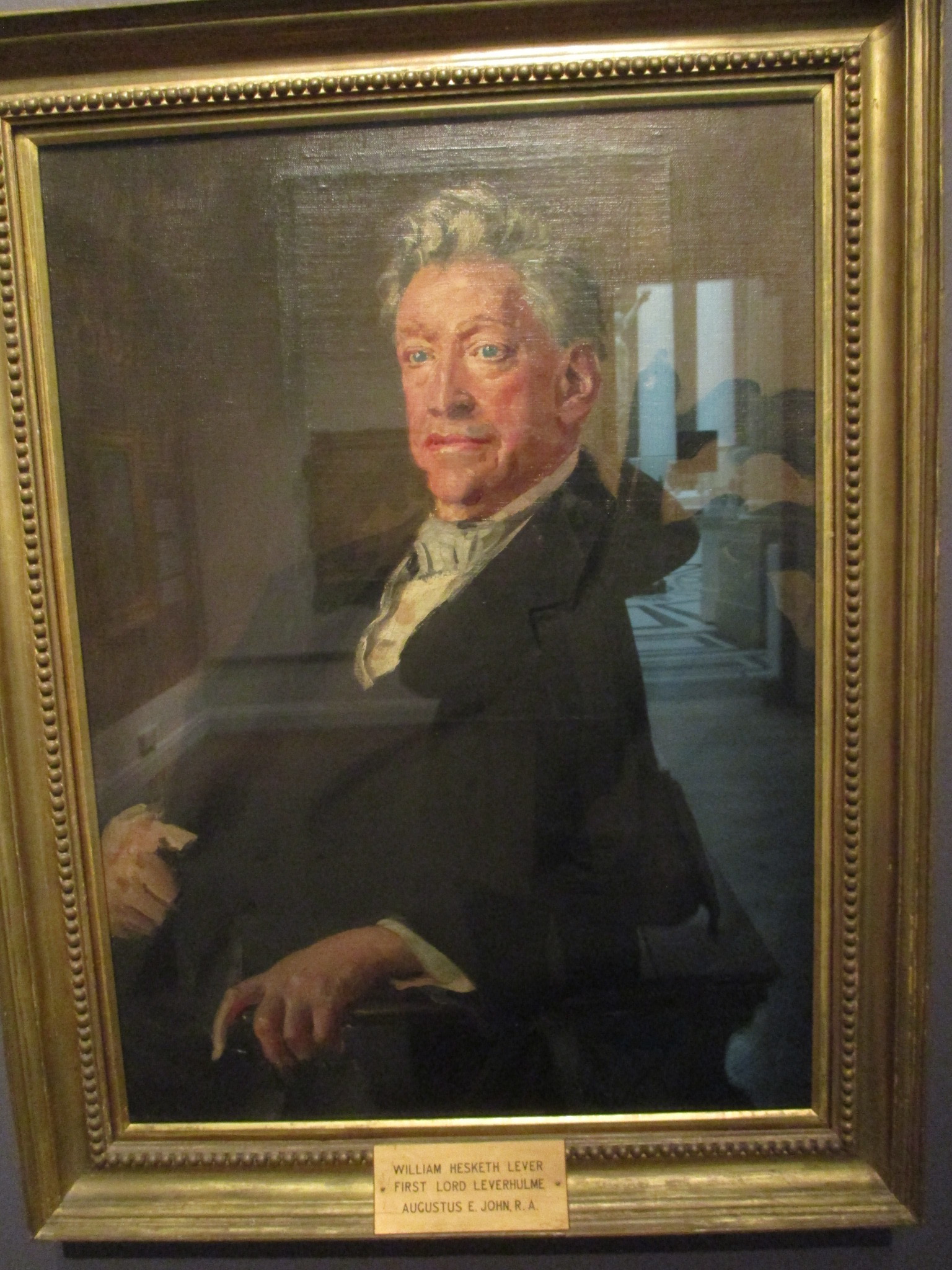
Lord William Hesketh Lever [pictured above] built up the Lever Brothers business that made its home on the Wirral, founding the garden village of Port Sunlight in 1888.

I visited the village for a preview of SoapWorks, a new family visitor attraction opening May 26 — just in time for the May half-term holiday.

The museum explores the science behind soap through a series of hands-on exhibits.

“He chose soap with good reason,” says the gallery curator. “He saw the opportunity that soap could make people healthier and happier.”

Lord Lever was an early-adopter health and safety champion, providing better quality housing for his factory workers, although he was motivated by ensuring they didn’t miss a day at the factory.

The village is still home to the research arm of Unilever, the British multinational consumer goods company that grew out of Lever’s Sunlight Soap.

Art abuse

Afterwards, I headed to the nearby Lady Lever Art Gallery, founded by Lever for his wife, Elisabeth, in 1922.

The current exhibition, The Last Bohemian: Augustin John, explores works by the Tenby-born painter, who went on to study art in Liverpool.

John famously painted Lever’s portrait in 1920 but the then Lord Leverhulme found it unflattering, sparking a scandal when he cut out the head from the canvas.

When the story was leaked to the press, art students took to the streets of London to defend the artist’s right to capture Lever as he saw him.

The two sections were finally reunited in 1954 for a retrospective of John’s work at the Royal Academy.

Lever died a very rich man but, today, the gallery continues to explore his connections to the slave trade in the plan oil plantations of the Belgian Congo.

Maybe John captured something of the man after all.

How to spend a weekend on the Herefordshire Cider Circuit

National Apple Day had cider fans celebrating this week.

I joined in the spirit of the autumnal event with a short UK break in Herefordshire, following a newly launched Cider Circuit [pictured above] of orchards and producers.

It was great to be on assignment and having a change of scene in a safe, socially distanced way before new lockdowns loom.

Here’s a flavour of the feature:

Cider has been part of Herefordshire’s rural heritage since medieval times with local cider first exported to London in the 17th century as a fashionable alternative to wine.

In recent years, the cider market has been dominated by big brands, mass production and the rise of fruit-flavoured ciders

But a new generation of cider makers is now taking over, moving away from the cloudy-scrumpy-and-sandals image in favour of a premium product.

Read the full article in the i newspaper here.